
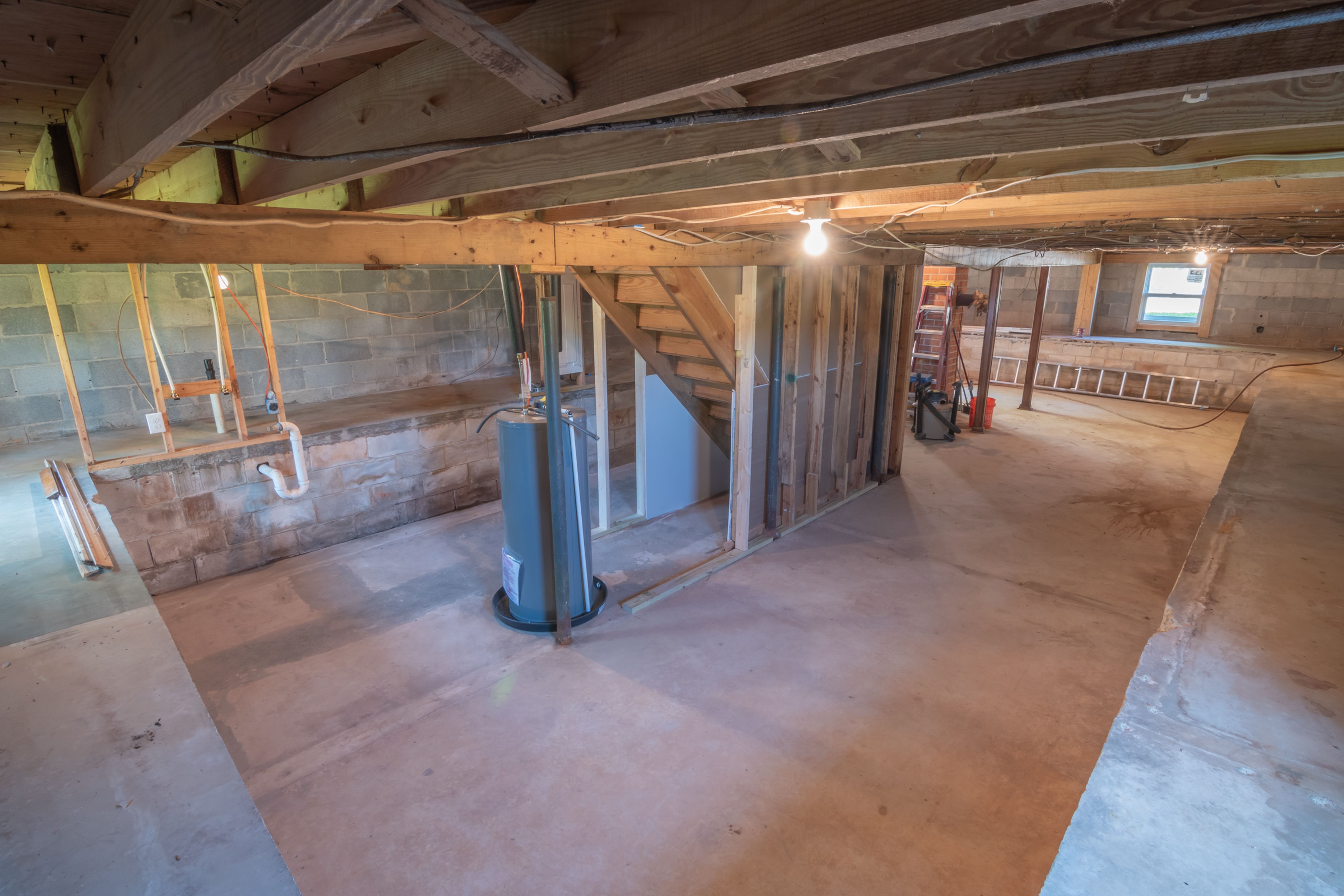
The pattern we see every year: homeowner notices a damp basement in September or October, decides to "keep an eye on it," gets flooded in the spring melt, calls us in a panic in April. By then we're booked six weeks out.
Fall is actually the best time to fix a basement water problem for four reasons:
1. The ground isn't frozen yet
Any exterior work — grading, downspout extensions, French drains — is easier and cheaper before the first hard freeze. Contractors have to price frozen-ground work higher because it takes longer.
2. You have time to diagnose the actual problem
Basement water is usually a combination: bad grading, disconnected downspouts, foundation cracks, high water table, or plumbing leaks. Trying to diagnose it in the middle of a spring flood is guesswork. In fall, we can watch what happens during a moderate rain and pinpoint the actual source.
3. Sump pumps get tested by fall rain before winter freeze
A new sump pump installed in October gets exercised by fall storms, so we know it works before your basement floods on the first thaw in March. The wrong time to find out your sump can't keep up is at 2am with two feet of water on the floor.
4. Ice dam damage often starts in the basement
This surprises people. Ice dams cause roof leaks that run down inside the walls, and half the time the first place you see water is your basement, not the ceiling. Waterproofing the perimeter now means that spring meltwater has somewhere to go besides your finished basement.
What to look at right now
Walk the perimeter. Is water pooling within 6 feet of the foundation? Are downspouts dumping right at the foundation? Are gutters clogged? Are there visible cracks in the foundation walls or floor?
If yes to any of those, get a written diagnosis. GeoBrix does free basement assessments across North Jersey — book one here.